
5 June 2026 · Care in Movement
Things to do in Newcastle and Lake Macquarie with NDIS support
Newcastle and Lake Macquarie are full of practical, low-pressure ways to get moving, build confidence, and spend time in the community with the right support.
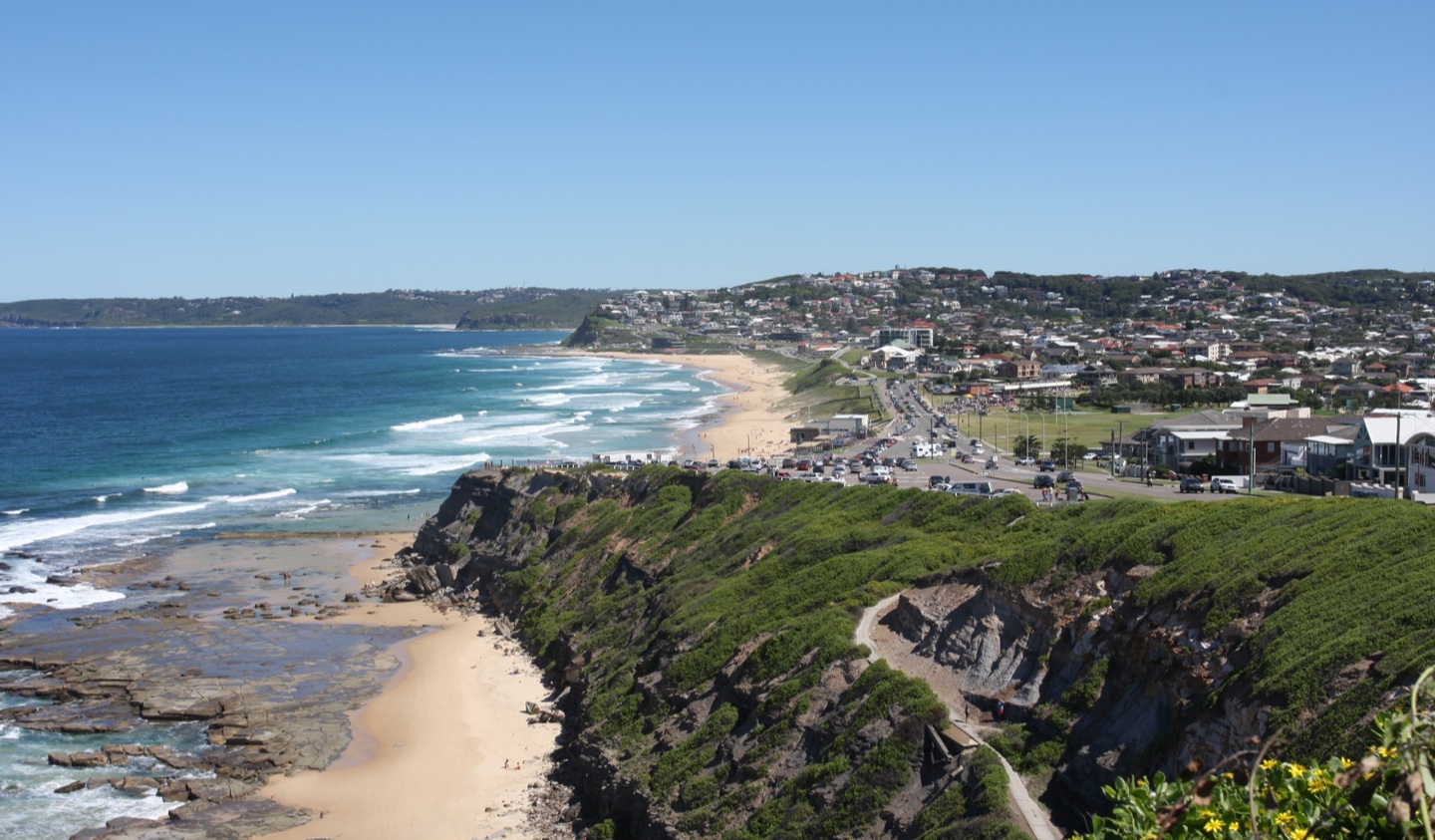
Cover photo: Adam.J.W.C. via Wikimedia Commons · CC BY-SA 2.5 · Cropped and resized.

You don’t have to go far for a good day out.
Newcastle and Lake Macquarie punch well above their weight when it comes to things to do — beaches, parks, trails, pools, cafés, markets, sport. The challenge usually isn’t finding options. It’s finding the time, the support, and the motivation to actually get there.
This is where the right support matters. Here are some of the places and activities we find ourselves coming back to with participants.
Getting active outdoors
The Fernleigh Track is a favourite — a converted rail corridor running between Newcastle and Belmont, flat enough for most fitness levels, long enough to feel like a proper outing. Warners Bay foreshore and the Lake Macquarie waterfront are great for a walk with an easy café at the end.
For something with a bit more effort, the Awabakal Coastal Track between Redhead and Catherine Hill Bay is a proper one. Views worth earning.
Sport and courts
Nobbys Beach and Bar Beach both have beach volleyball setups. Newcastle has tennis courts available through council bookings — simple, local, and great for a beginner hit. The Hunter has boxing gyms, swimming pools, and a solid spread of community fitness centres.
For participants working with Matt or Mark, in-home or gym-based movement sessions can sometimes sit under Capacity Building supports when they’re linked to a participant’s goals and plan. Your plan manager or support coordinator can help confirm what applies to the plan.
If an activity has entry fees, court hire, equipment, or food costs, those are usually separate from the support-worker time itself.
Community access that counts
Markets at Jesmond, Hamilton, and the Newcastle Farmers Market are great for practising life skills in a real setting — budgeting, choosing, talking to stallholders, navigating crowds. The Newcastle Museum and Art Gallery both have free entry and change regularly, making them reliable repeat options.
Shopping centres across the region are straightforward for retail and errands, but there are also more community spaces, maker workshops, and social clubs worth exploring depending on a participant’s interests.
Before you head out
The best community access sessions usually have a loose plan and room to adapt. Check transport, parking, accessibility, opening hours, weather, and sensory load before you go. It also helps to agree on what a good session looks like: a full walk, ten minutes at the market, ordering a coffee independently, or just getting through the door.
Cafés worth the stop
Half the good sessions end at a café. Some regulars: The Edwards in Hamilton, Sprout in Maryville, and Biscuit in Warners Bay. Reliable spots for a coffee, a debrief, and a plan for next week.
The best part of working in this area is that the options keep growing. If a participant has something specific in mind — a class to try, a place they’ve been meaning to visit, an activity they want to get back into — that’s usually where the best support starts.
Tell us what they’re after and we’ll figure out how to make it happen.
Filed under · newcastle lake-macquarie community-participation active-support ndis